Johor Bahru is where Singaporeans go to feel like they can breathe — and to spend a quarter of what everything costs in Singapore. The crossing is one of the busiest land border crossings in the world. Most of the people crossing it are not tourists. They are Singaporeans doing this on a regular basis for food, groceries, petrol, haircuts, dental appointments, and the particular pleasure of a meal that costs MYR 8 instead of SGD 18.
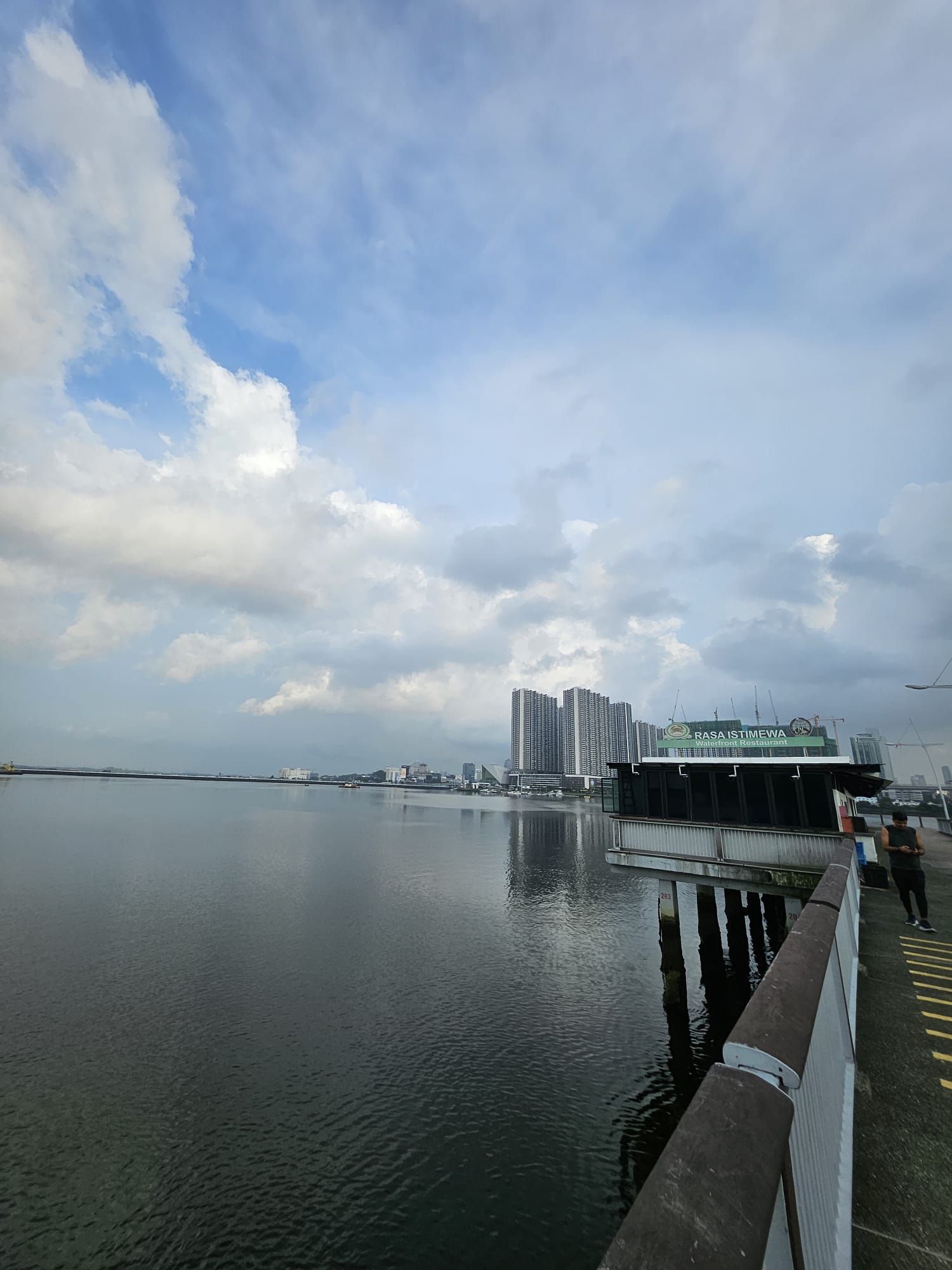
If you are visiting Singapore and want to add a JB day trip, you can follow the tourist version of this guide and you will have a fine time. Or you can read what follows and do it the way a local would.
Why Singaporeans Cross to JB
The honest answer is: money. The Malaysian Ringgit is significantly weaker than the Singapore Dollar, which means everything in JB costs roughly 30–40% of what it costs in Singapore. That gap drives the crossing more than any tourism consideration.
- Food — JB has excellent food, particularly bak kut teh (the herbal Teochew style), dim sum, seafood, roti canai at proper mamak stalls, and nasi lemak that tastes the way nasi lemak is supposed to taste. A full meal for two costs what a single dish costs in Singapore.
- Groceries — Fresh produce, imported goods, beverages. Singaporeans fill bags at Lotus's (formerly Tesco) or Giant and bring them back. The customs allowance matters here — know your limits before you go.
- Petrol — If driving, RON97 in JB is substantially cheaper than Singapore's prices even accounting for the VEP. This alone justifies crossing for many car owners.
- Medical and dental — Quality Malaysian private hospitals and dental clinics at a fraction of Singapore's private healthcare cost. Many Singaporeans have standing dental appointments in JB.
- Beauty treatments — Hair, nails, lashes, massage. Half the price, often the same or better quality.
- Shopping — Not Gucci. AEON Tebrau City, KSL City, Toppen, and for designer outlet prices, Premium Outlets Johor.
How to Cross — The Options
The Rapid Transit System connecting Woodlands North MRT station in Singapore to JB Sentral in Malaysia is expected to open in 2026. Passengers clear immigration at dedicated stations, then travel approximately 5 minutes by train. This eliminates the bus queue experience entirely. When the RTS opens, it will become the default crossing method for most Singaporeans. Watch this space — we will update this guide when the RTS launch date is confirmed.
When to Cross — The Timing That Locals Actually Use
The crossing queue is the main variable that determines whether your JB trip takes 45 minutes door-to-door or 3 hours. Timing matters more than any other decision you make.
Singaporeans who cross regularly have a simple rule: if you are not there by 8am on a weekend, don't bother until after noon. The queue builds within the first hour of the weekend morning and takes until mid-afternoon to clear. A 7:30am Saturday arrival at Queen Street gets you to JB by 9am. A 10am Saturday arrival can mean a 12:30pm arrival in JB.
Immigration — What to Expect
You clear two sets of immigration: Singapore departure (at Woodlands Checkpoint) and Malaysia arrival (at the checkpoint on the JB side). On the return journey, you clear Malaysia departure and Singapore arrival. Four counters total per round trip.
Keep your passport accessible throughout — you will use it at every counter. Singapore citizens cannot use their IC alone for land crossings — passport required. Ensure at least 6 months of passport validity. Singapore citizens and PRs receive a free 90-day social visit pass on entry to Malaysia. Other nationalities should check Malaysian Immigration requirements for their passport before crossing.
The Singapore Immigration and Checkpoints Authority has a live queue status tool on their website — check it before you leave to get a sense of the current wait time at Woodlands Checkpoint.
Money — Where to Change and What Rate to Expect
Do not change money at the Woodlands Checkpoint. The money changers at the checkpoint offer the worst rates of any licensed money changer in the area. The convenience premium is significant.
The best rates are at licensed money changers in central JB — around Jalan Wong Ah Fook and the areas near City Square. Many Singapore banks (DBS, POSB) offer multi-currency accounts that can be pre-loaded with MYR at rates that are often better than over-the-counter exchange.
A useful benchmark: as of mid-2026, SGD 1 exchanges for approximately MYR 3.30–3.45 at a good money changer. Rates fluctuate — check before you go. Most JB merchants accept SGD, but they will use their own rate which is typically MYR 3.00–3.10 per SGD. Always pay in MYR.
What to Do in JB — The Local's Version
Food — Where Locals Actually Eat
JB has genuinely good food and it costs a fraction of Singapore prices. The bak kut teh in JB is the herbal Teochew style — darker broth, more medicinal, distinct from the peppery Singaporean version. The dim sum at several JB restaurants is excellent and half the price of Singapore. The mamak stalls serve roti canai and teh tarik that are closer to what Malaysian food is supposed to taste like than anything available in Singapore.
Locals do not eat at City Square Mall's food court on first crossing. That is the tourist default. Ask at your JB money changer where they go for bak kut teh. That answer will be better than any online list.
Shopping — The Honest Ranking
- AEON Tebrau City — Where Singaporeans actually shop. Large, well-stocked, the Daiso here is worth a visit. 15 minutes from JB Sentral.
- KSL City — Popular with Singaporeans for electronics and mid-range shopping. Slightly further from the checkpoint.
- Toppen — Newer mall, IKEA-adjacent, good for home goods and food.
- Premium Outlets Johor — Designer brands at outlet prices. Worth it if you are specifically looking for it. Further from the checkpoint — factor in transport time.
- City Square Mall — Right at JB Sentral exit. Convenient but tourist-facing and not where locals shop if they have a choice.
Customs Allowance — What You Can Bring Back
Singapore customs allows returning residents and visitors to bring back specific allowances. For alcohol: 1 litre of spirits, 1 litre of wine or beer if you have been away for 48 hours or more. For goods: SGD 500 of goods if you have been away 48 hours or more, SGD 100 if less. Petrol rule: your Singapore-registered car must have at least three-quarters of a tank when leaving Singapore. Check the Singapore Customs website for current allowances before shopping.
The JB crossing experience varies dramatically based on where you sit on the bus. Sit near the front — you exit the bus first at each immigration checkpoint, which means you are through the counters before the rest of the bus. On a moderately busy day this can save 15–20 minutes each way. On a busy day, significantly more.
Safety — The Honest Picture
JB has a mixed reputation among Singaporeans that has improved substantially in recent years. The areas around JB Sentral, City Square Mall, and the major malls are well-trafficked and safe. Standard urban precautions apply: be aware of your surroundings, don't leave valuables visible in cars, keep bags secure in crowds.
The areas immediately outside the tourist circuit are less predictable and worth some judgment about when and where you walk. As with any city, the difference between a fine experience and an uncomfortable one is usually about timing and situational awareness rather than any inherent danger.
Frequently Asked Questions
Adding a JB day trip to your Singapore visit?
Timing the crossing, planning what to do, knowing the queues for your specific travel dates — a local who crosses regularly can advise on all of it as part of your Singapore trip planning.