Singapore tells its story through a set of official heritage centres — one per major community — plus a famous reconstruction of shophouse life. Visitors usually stumble into one and miss the rest. Seen together, in the right order, they’re the best crash course in how this country works. Here’s the full set, with a local’s notes on what each does best and what to skip.
Indian Heritage Centre — Little India
Five floors at 5 Campbell Lane, closed Mondays, and the most polished of the set: the story of Indian communities here from the 1st century’s trade routes to today, told through a genuinely beautiful building. Do it before lunch at Tekka Centre across the road — the museum explains the biryani queue you’re about to join.
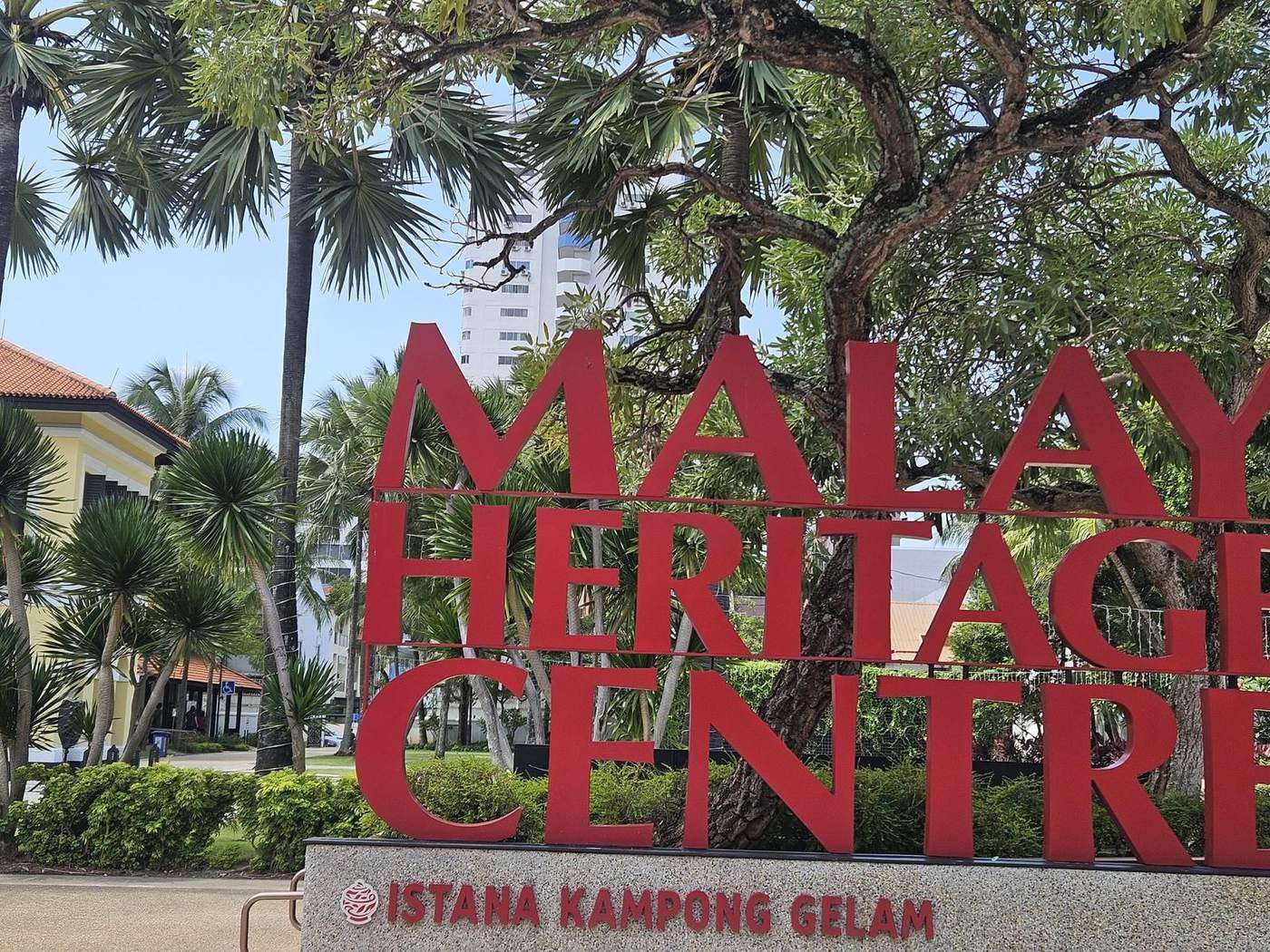
Malay Heritage Centre — Kampong Glam
At 85 Sultan Gate in the grounds of the former Istana Kampong Gelam, reopened in 2026 after a three-year revamp — which makes it the freshest exhibition space in the city right now. Pair it with the Sultan Mosque next door and the textile shops of Arab Street; the neighbourhood is the living half of the exhibit.
Eurasian Heritage Gallery — Katong
The smallest and least-known, at 139 Ceylon Road in the Eurasian Community House — the story of Singapore’s Portuguese, Dutch and British-descended community. Free, quick, and perfectly placed for a Katong–Joo Chiat day alongside our Peranakan Singapore, in full — the two communities’ stories run side by side down the same streets.
Chinatown Heritage Centre — Pagoda Street
Reopened in 2025 under new management at 48 Pagoda Street: three shophouses rebuilt as the 1950s tenements they were, cubicle bunks and coal-blackened kitchens included. It’s the emotional heavyweight of the set — the one that explains what every glossy shophouse café is built on top of. Paid entry; verify hours before going.
Local’s note: Order matters. Do Chinatown Heritage Centre first — the hardship — then the community centres, then finish in Kampong Glam or Katong where heritage is still being lived rather than displayed. And note the Monday closures: plan heritage for midweek, hawkers for Monday.
What no centre covers
The clan associations and dialect-group story — the machinery that actually organised Chinese migrant life — has no dedicated museum; it lives on the street at Telok Ayer. Our clan associations guide and Singapore's Chinese dialect groups fill that gap, and together with the centres above they make a complete two-day heritage circuit of Singapore.
Want a heritage itinerary built for your dates? The Local Brief →
Frequently Asked Questions
How many heritage centres does Singapore have?
Four main ones: the Indian Heritage Centre in Little India, the Malay Heritage Centre in Kampong Glam (reopened 2026 after a three-year revamp), the Eurasian Heritage Gallery in Katong, and the Chinatown Heritage Centre on Pagoda Street (reopened 2025).
Are Singapore’s heritage centres free?
The Eurasian Heritage Gallery is free; the Indian and Malay Heritage Centres charge modest admission with concessions; the Chinatown Heritage Centre is paid entry. Verify current prices and hours on official sites — several close on Mondays.
What order should I visit the heritage centres in?
Start with the Chinatown Heritage Centre for the migrant hardship story, then the community centres, and finish in Kampong Glam or Katong where the heritage neighbourhoods are still lived-in. Each pairs naturally with the food streets around it.
Is there a museum about Chinese clan associations or dialect groups?
No dedicated museum exists — that story lives on Telok Ayer Street itself, where the oldest clan house and temples still stand. A self-guided walk covers it in about 90 minutes.
Authority References
Most of what makes Singapore easy is habit rather than information — choping a seat, reading the radar instead of the forecast, eating before the queue forms. The free SG Insider’s 10 collects the ten that matter most. Free, by email, no signup.
Need Local Help Planning Your Singapore Trip?
a lifetime of lived experience. No tour-group scripts. Independent — no hotel or tour kickbacks.
Email Us View Services